First Aid Kits
Best First Aid Kits for Kids (2026): Research-Informed
By First Aid Kit Spot Editorial Team • Published 2026-03-18
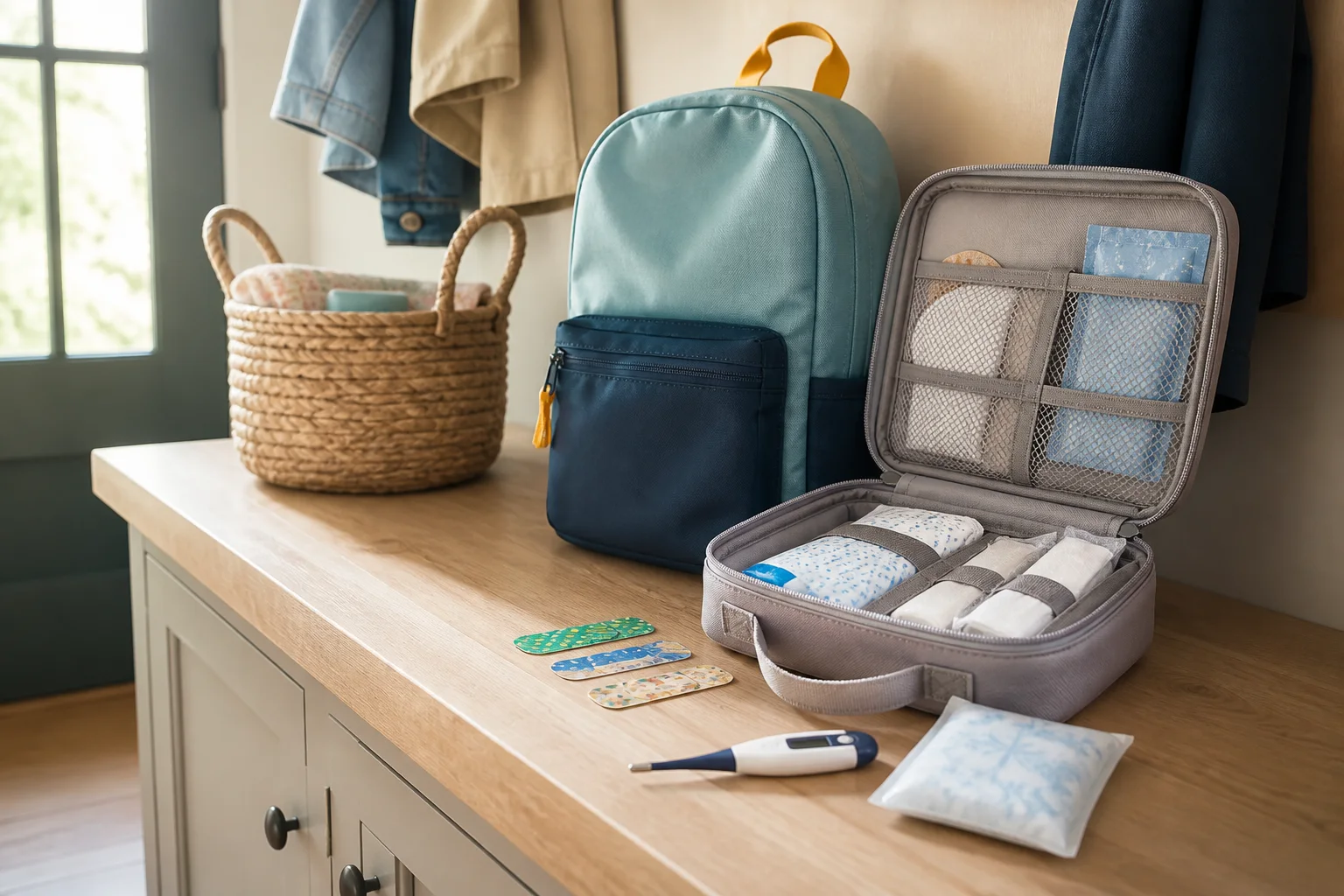
The Best First Aid Kits for Kids in 2026
Kids get hurt. Scraped knees, minor burns, splinters, insect stings — having the right supplies within reach makes all the difference. But not all first aid kits are designed with children in mind. Adult kits often lack child-appropriate dosing guides, smaller bandages, and kid-friendly antiseptics.
This guide covers the best first aid kits specifically suited for families with children — whether for the home, school bag, or travel.
What Makes a Good Kids First Aid Kit?
A good first aid kit for children should include:
- Child-sized bandages — standard adult plasters are too large for small fingers and knees
- Alcohol-free antiseptic wipes — alcohol-based wipes sting on kids, making treatment harder
- Children's pain relief guidance — dosing charts for paracetamol and ibuprofen by weight
- Splinter tweezers — fine-tip tweezers for safe splinter removal
- Ice pack or instant cold pack — for bumps, bruises, and swelling
- Emergency contact card — especially important for kits that travel with children to school or activities
- Antihistamine — for allergic reactions and insect stings
Top Picks for 2026
Best Overall: Johnson & Johnson All-Purpose First Aid Kit
The most trusted family brand in first aid. Includes over 140 pieces including a variety of bandage sizes, antiseptic wipes, gauze pads, and a first aid guide. Good for home use.
Best Compact: Red Cross Deluxe Family First Aid Kit
Compact design, well-organised pouches, and includes a manual covering paediatric first aid basics. Good for travel and car.
Best for School Bags: Small Adventure First Aid Kit
Lightweight, waterproof pouch with essential supplies for on-the-go use. Easy for children aged 8+ to understand and use themselves.
Best Premium: Be Smart Get Prepared 250-Piece Kit
Comprehensive kit with child-sized supplies, emergency blanket, and detailed first aid guide. Best for families who want full coverage at home.
What to Add to Any Kit for Children
No kit is complete out of the box. Add these to any children's first aid kit:
- Written emergency contacts — numbers for doctor, poison control, emergency contact
- Child's allergy information — especially for kits used by schools or childcare
- Age-appropriate pain relief — liquid paracetamol for under 6s, chewable for older children
- Hydrocortisone cream — for insect stings and mild allergic skin reactions
- Digital thermometer — essential for monitoring fever
Where to Keep Kids First Aid Kits
- Home: Mount on a wall in the kitchen or bathroom, out of reach of under-5s but accessible to older children and adults
- Car: Stored in the boot, secured so it doesn't slide around
- School bag (for older kids): Compact kit with basic wound care supplies
- Sports bag: Especially important for contact sports — add an instant cold pack
Checking and Restocking
Check children's first aid kits every 6 months. Items to watch:
- Expiry dates on antiseptic wipes and creams
- Bandage adhesive quality — old bandages lose their stick
- Replace any items used since last check
- Update emergency contact cards if numbers change